Bespoke safaris beyond your imagination. Visit gorillas where they live, on foot in the wild. Trek the afro-montane forests of the Albertine Rift Valley. Bushwhack remote eco-systems in the Congo Basin. Boat up river through the jungles of Gabon. Hunt with the Ba'aka pygmies in Dzanga Shanga. Join our next expedition to Gorillaland, where it all began and still goes on.
Wednesday, January 9, 2013
Birds of Uganda
Uganda is blessed with an incredible 1,148 species of bird, which is more than 75% of all the birds ever recorded in Sub-Saharan Africa. Resident and migrant bird distributions are greatly influenced by the equatorial seasons, and East Africa’s tropical weather systems are difficult to predict, hence Birds of East Africa warns, “always expect the unexpected.”
▲▲▲▲▲▲▲▲▲▲▲▲▲▲▲▲▲▲▲▲▲▲▲▲▲▲▲▲▲▲▲▲▲▲▲▲▲▲▲▲▲▲
Abyssinian Ground-thrush (Zoothera piaggiae)
Taxonomy: Turdus piaggiae Bouvier, 1877, Uganda (M’Tésa’s country) = Lake Tana, northern Ethiopia.
Widespread in forested highlands across W, C, and NKe, and in the Nguruman Forest in SKe. Overlaps with Orange Ground-Thrush on Mt Kenya, but occurs above 2300m, In Ug there are separate populations on Mt Moroto in the north-east and the Rwenzori Mts in the south-west.
▲▲▲▲▲▲▲▲▲▲▲▲▲▲▲▲▲▲▲▲▲▲▲▲▲▲▲▲▲▲▲▲▲▲▲▲▲▲▲▲▲▲
African Broadbill (Smithornis capensis)
Taxonomy: Platyrhynchus capensis A. Smith, 1839, south-east coast towards Delagoa Bay.
Widespread, but very shy, local and solitary residents of good forest from sea-level to 1800m. Sit upright and motionless for long periods, but then fly fast and direct, and are difficult to relocate.
▲▲▲▲▲▲▲▲▲▲▲▲▲▲▲▲▲▲▲▲▲▲▲▲▲▲▲▲▲▲▲▲▲▲▲▲▲▲▲▲▲▲
African Pied Hornbill (Tockus fasciatus)
Taxonomy: Buceros fasciatus Shaw, 1811, Malimbe, Angola.
Pairs and groups are widespread and common residents in woodland, bushed and wooded grassland, from sea-level to 1700m. Nominate in most of Ug and Ke, while epirhinus is widespread from SUg, though Tz into SEKe.▲▲▲▲▲▲▲▲▲▲▲▲▲▲▲▲▲▲▲▲▲▲▲▲▲▲▲▲▲▲▲▲▲▲▲▲▲▲▲▲▲
African Pied Wagtail (Motacilla aguimp)
Taxonomy: Motacilla aguimp Dumont, 1821, Lower Orange River, South Africa.
Most common and widespread resident wagtail, occurring from sea-level to 3000m along river banks, lakeshores, in cultivated areas and forest glades, as well as in towns.
▲▲▲▲▲▲▲▲▲▲▲▲▲▲▲▲▲▲▲▲▲▲▲▲▲▲▲▲▲▲▲▲▲▲▲▲▲▲▲▲▲▲
African Scops-owl (Otus senegalensis)
Taxonomy: Scops Senegalensis Swainson, 1837, Gambia.
Pairs are common and widespread in dry bush and woodland, including large trees along river courses, from sea-level to 2000m. ▲▲▲▲▲▲▲▲▲▲▲▲▲▲▲▲▲▲▲▲▲▲▲▲▲▲▲▲▲▲▲▲▲▲▲▲▲▲▲▲▲▲
African Yellow White-eye (Zosterops senegalensis)
Taxonomy: Zosterops senegalensis Bonaparte, 1850, Senegal.
Best identified by range, since it is the only white-eye in much of the west and south, occurring in a variety of habitats including forest, forest edge, gardens and cultivation. It can occur anywhere from near sea-level to 3400m
▲▲▲▲▲▲▲▲▲▲▲▲▲▲▲▲▲▲▲▲▲▲▲▲▲▲▲▲▲▲▲▲▲▲▲▲▲▲▲▲▲▲
Bare-faced Go-away bird (Corythaixoides personatus)
Taxonomy: Corythaixoides personatus Rüppell, 1842,
Pairs and small groups are locally common in open woodland, bush and cultivation, preferring wetter country west of White bellied Go-away-bird, mainly below 1400m, but occasionally to 2200m.
▲▲▲▲▲▲▲▲▲▲▲▲▲▲▲▲▲▲▲▲▲▲▲▲▲▲▲▲▲▲▲▲▲▲▲▲▲▲▲▲▲▲
Black-billed Turaco (Tauraco schuetti)
Taxonomy: Corythaix Schüttii Cabanis, 1879, Tala Magongo, Angola.
Singles and pairs are shy and hard to see, occupying dense forest canopies from 700-2800m. Although now rare in the east of its range, it can be common in the far west, including Rw and Bu.
▲▲▲▲▲▲▲▲▲▲▲▲▲▲▲▲▲▲▲▲▲▲▲▲▲▲▲▲▲▲▲▲▲▲▲▲▲▲▲▲▲▲
Black-casqued Hornbill (Ceratogymna atrata)
Taxonomy: Buceros atratus Temminck, 1835, Ashanti, Ghana.
Pairs and small family groups are not uncommon in the canopy of dense primary forest in the Semliki lowlands in WUg at 700m.
▲▲▲▲▲▲▲▲▲▲▲▲▲▲▲▲▲▲▲▲▲▲▲▲▲▲▲▲▲▲▲▲▲▲▲▲▲▲▲▲▲▲
Black Crake (Amaurornis flavirostra)
Taxonomy: Gallinula flavirostra Swainson, 1837, Senegal.
Pairs and small groups are widespread and often common on virtually any lake or small pool with fringing and floating vegetation from sea-level to 3000m. Often walks in the open at any time of day.
▲▲▲▲▲▲▲▲▲▲▲▲▲▲▲▲▲▲▲▲▲▲▲▲▲▲▲▲▲▲▲▲▲▲▲▲▲▲▲▲▲▲
Black-faced Rufous-warbler (Bathmocercus rufus)
Taxonomy: Bathmocercus rufus Reichenow, 1895, Yaounde, Cameroon.
Common, but very shy and restricted to the undergrowth within primary forest of the west, from 700-2800m.
▲▲▲▲▲▲▲▲▲▲▲▲▲▲▲▲▲▲▲▲▲▲▲▲▲▲▲▲▲▲▲▲▲▲▲▲▲▲▲▲▲▲
Black-headed Gonolek (Laniarius erythrogaster)
Taxonomy: Lanius erythrogaster Cretzschmar, 1829, Kordofan, Sudan.
Common but rather shy resident of woodland, thickets, bush country and cultivation from 600-1600m. It usually keeps low, but also ascends to canopy to call loudly.
▲▲▲▲▲▲▲▲▲▲▲▲▲▲▲▲▲▲▲▲▲▲▲▲▲▲▲▲▲▲▲▲▲▲▲▲▲▲▲▲▲▲
Black-headed Weaver (Ploceus melanocephalus)
Taxonomy: Loxia melanocephala Linnaeus, 1758, Guinea.
Widespread and very common from sea-level to 2500m in a wide range of habitats and human settlements.
▲▲▲▲▲▲▲▲▲▲▲▲▲▲▲▲▲▲▲▲▲▲▲▲▲▲▲▲▲▲▲▲▲▲▲▲▲▲▲▲▲▲
Black-throated Coucal (Centropus leucogaster)
Taxonomy: Polophilus leucogaster Leach, 1814, New Holland; error = Ghana.
In EA, only known from Semliki Forest, WUg, where it is a shy resident of dense undergrowth. ▲▲▲▲▲▲▲▲▲▲▲▲▲▲▲▲▲▲▲▲▲▲▲▲▲▲▲▲▲▲▲▲▲▲▲▲▲▲▲▲▲▲
Blue-headed Crested-flycatcher (Trochocercus nitens)
Taxonomy: Trochocercus nitens Cassin, 1859, Camma River, Gabon.
Pairs are uncommon and localised residents of forest from 700-900m, active in all canopy levels, but particularly fond of thick tangled vines.
▲▲▲▲▲▲▲▲▲▲▲▲▲▲▲▲▲▲▲▲▲▲▲▲▲▲▲▲▲▲▲▲▲▲▲▲▲▲▲▲▲▲
Bocage's Bush-shrike (Chlorophoneus bocagei)
Taxonomy: Laniarius bocagei Reichenow, 1894, Yaoundé, Cameroon.
Locally common in canopy at forest edge, in secondary growth and nearby forest thickets from 1100-2200m.
▲▲▲▲▲▲▲▲▲▲▲▲▲▲▲▲▲▲▲▲▲▲▲▲▲▲▲▲▲▲▲▲▲▲▲▲▲▲▲▲▲▲
Brown Illadopsis (Illadopsis fulvescens)
Taxonomy: Turdirostris fulvescens Cassin, 1859, Cama River, Gabon.
Pairs and small groups are common in forest undergrowth from 700-1800m
▲▲▲▲▲▲▲▲▲▲▲▲▲▲▲▲▲▲▲▲▲▲▲▲▲▲▲▲▲▲▲▲▲▲▲▲▲▲▲▲▲▲
Black-shouldered Nightjar (Caprimulgus nigriscapularis)
Taxonomy: Caprimulgus nigriscapularis Reichenow, 1893, Songa, west of Lake Albert.
Locally common in the west, inhabiting forest edge, woodland along streams, and neglected cultivation from 700-1450m
▲▲▲▲▲▲▲▲▲▲▲▲▲▲▲▲▲▲▲▲▲▲▲▲▲▲▲▲▲▲▲▲▲▲▲▲▲▲▲▲▲▲
Cape Canary (Serinus canicollis)
Taxonomy: Crithagra canicollis Swainson, 1838, Cape of Good Hope, South Africa.
Often in flocks, it is common at high altitudes from 1600-4300m, in cultivation, forest edge, bamboo and moorlands.
▲▲▲▲▲▲▲▲▲▲▲▲▲▲▲▲▲▲▲▲▲▲▲▲▲▲▲▲▲▲▲▲▲▲▲▲▲▲▲▲▲▲
Cabanis' Greenbul (Phyllastrephus cabanisi)
Taxonomy: Criniger cabanisi Sharpe, 1882, Angola.
Noisy small flocks in a variety of thick undergrowth, mainly in highland forests, but down to 600m in NETz.
▲▲▲▲▲▲▲▲▲▲▲▲▲▲▲▲▲▲▲▲▲▲▲▲▲▲▲▲▲▲▲▲▲▲▲▲▲▲▲▲▲▲
Tuesday, January 8, 2013
African Pied Hornbill
African Pied Hornbill (Tockus fasciatus)
Taxonomy: Buceros fasciatus Shaw, 1811, Malimbe, Angola.
Pairs and groups are widespread and common residents in woodland, bushed and wooded grassland, from sea-level to 1700m. Nominate in most of Ug and Ke, while epirhinus is widespread from SUg, though Tz into SEKe.
Thursday, November 1, 2012
African Broadbill
African Broadbill (Smithornis capensis)
Taxonomy: Platyrhynchus capensis A. Smith, 1839, south-east coast towards Delagoa Bay.
Widespread, but very shy, local and solitary residents of good forest from sea-level to 1800m. Sit upright and motionless for long periods, but then fly fast and direct, and are difficult to relocate.
Monday, October 8, 2012
Essential East African Safari
▼▼▼▼▼▼▼▼▼▼▼▼▼▼▼▼▼▼▼▼▼▼▼▼▼▼▼▼▼▼▼▼▼▼▼
Two weeks in Uganda, Tanzania and Kenya - Gorilla and Chimpanzee trekking in the Albertine Rift, hot air ballooning over Serengeti, and following the great migration to the Mara - staying in luxury lodges and traveling by safari vehicle and private plane
▲▲▲▲▲▲▲▲▲▲▲▲▲▲▲▲▲▲▲▲▲▲▲▲▲▲▲▲▲▲▲▲▲▲
●●◦◦◦◦▶◆◈◦◈◍▨◯▧◍◎◍▨◯▧◍◈◦◈◆◀◦◦◦◦●●
Day 1: Arrive Entebbe Airport, Uganda. Relax by the lake, wander around town or visit the Botanical Gardens. Dinner under the light of lanterns at the romantic Jahaza Grill, located in the middle of a forest overlooking the tranquil lakeshore and surrounded by primates and birds. Overnight at the Laico Lake Victoria Hotel
Day 2: Transfer (4 ½ hrs) by road to Kibale Forest National Park, the most accessible of Uganda's major rain forests and home to a remarkable thirteen primate species, including habituated chimpanzees, our closest relative in the wild. Transfer (½ hr) by road to Bigodi Wetland Sanctuary and see how local communities are working together to maintain this stunning wildlife reserve. Overnight at the Primate Lodge
Day 3: Morning chimpanzee trekking. Kibale’s 1450 chimpanzee represent Uganda’s largest population of this endangered primate. Other primates include l’Hoest’s monkey, red colobus monkey, black and white colobus, blue monkey, grey cheeked mangabey, red tailed monkey, olive baboon, bush baby and potto. Night walk to look for nocturnal primates. Overnight at the Primate Lodge
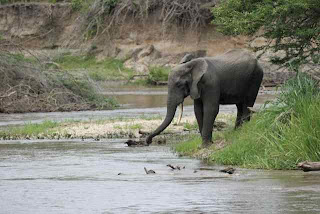
Day 4: Transfer (2 ½ hrs) by road to Queen Elizabeth National Park, surrounded by stunning views of the Rwenzoris (Mountains of the Moon), the Albertine Rift escarpments (eastern in Uganda, western in Congo), as well as Lake Edward and the Kazinga Channel. Afternoon game drive to spot lion, leopard and other predators, as well as elephant, warthog, kob and hartebeest. Overnight at Mweya Safari Lodge

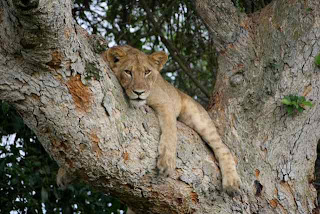
Day 5: Late morning boat trip along the shores of the Kazinga Channel, connecting Lake George to Lake Edward, to spot buffalo, hippo and rare bird species. Transfer (2 hrs) by road to Ishasha, famous for its tree-climbing lions, for an afternoon game drive to spot lion, elephant, hippos and a vast array of antelope, some only found in this remote corner of the Albertine Rift. Transfer (2 ½ hrs) by road to Bwindi Forest . Overnight at Gorilla Forest Camp
Day 6: Early morning gorilla trekking in Bwindi Impenetrable National Park, on the steep, rain-soaked slopes of the Bufumbira Mountains. Come face to face with those who Dian Fossey regarded as, “the greatest of the Great Apes” in their lush mountain forest habitat. Bwindi comprises 331 square kilometers of jungle forests and contains both montane and lowland forest, and is accessible only on foot. The park provides habitat for some 120 species of mammals, 346 species of birds, 202 species of butterflies, 163 species of trees, 100 species of ferns, 27 species of frogs, chameleons, geckos and many endangered species. Afternoon walk to the Pygmy community for a rich cultural exchange with Africa’s original inhabitants. Overnight at Gorilla Forest Camp

Day 7: Transfer (2 hrs) by light aircraft to Kijjansi Airport. Transfer (30 min) by road to Kampala. Enjoy a night in East Africa’s most entertaining capital, and the seat of the Bugandan Kingdom, with a tour of all the best sights. Overnight at Kampala Serena Hotel
Day 8: Transfer (1 hr) by commercial flight to Mwanza, Tanzania, at the southern end of Lake Victoria, and then (3½ hrs) by road to Serengeti National Park, the best known wildlife sanctuary in the world. Serengeti contains the greatest and most varied collection of wildlife on earth, including buffalo, elephant, lion, leopard, rhino, cheetah, African hunting dog, baboon, caracal, civet, bat-eared fox, genet, giraffe, hippo, honey badger, hyrax, mongoose, ostrich, serval, both Grant’s and Thomson’s gazelle, vervet monkeys, eland, hartebeest, impala, kudu, reedbuck. Roan, topi, waterbuck, dik dik, duiker and oribi. Overnight at Kirawira Camp
Day 9: Early morning hot air balloon ride over the Serengeti world-famous for its role in the annual Great Migration, when over a million wildebeest migrate from the Serengeti to Kenya’s Masai Mara Game Reserve. The balloon safari is not merely a game viewing experience, but an opportunity for an adventure and unique perspective over outstanding quintessentially African landscapes, starting with an ‘Out of Africa’ breakfast prepared and served in the bush, and ending with a traditional champagne toast. Evening game drive with sundowners. Overnight at Kirawira Camp
Day 10: Game drive and transfer (3 hrs), across the Serengeti and Sale plaines through a veritable graveyard of volcanoes. Lunch at Oldupai Gorge, where hominids have walked for 3.6 million years. Discover your distant human origins in the deepest levels of the gorge, and on the “living floor” where hominids camped and ate, eighteen thousand centuries ago. Transfer (1 hr) to Ngorongoro Crater stopping at Nainokanoka village along the way, to meet the ultimate conquerors of this primordial human domain: the Masai. Overnight at Ngorongoro Crater Lodge
Day 11: Descend into Ngorongoro Crater, one of the great natural features of the planet, and one of the jewels in the crown of African wildlife destinations. Almost every major species of African plains wildlife can be found in this 164 square-kilometer caldera. Our game drive will explore the short-grass plains of the crater floor to spot lion, leopard, rhino, elephant, buffalo, and many, many more. Overnight at Ngorongoro Crater Lodge
Day 12: Transfer (2 hrs) by light aircraft to the Masai Mara Game Reserve, which is effectively the northern continuation of Serengeti. As in the Serengeti, the wildebeest are the dominant inhabitants of the Masai Mara, and their numbers are estimated in the millions. Around July of each year these ungainly animals migrate north from the Serengeti plains in search of fresh pasture, and return to the south around October. The Great Migration is one of the most impressive natural events worldwide, involving some 1,300,000 wildebeest, 500,000 Thomson's gazelles, 97,000 Topi, 18,000 eland, and 200,000 zebras. These migrants are followed along their annual, circular route by hungry predators, most notably lions and hyena. Overnight at Little Governors Camp
Day 13: Morning game drive in the Masai Mara Game Reserve, All members of the "Big Five" (lion, leopard, elephant, buffalo, and black rhino) are found in the Masai Mara. Hippo and Nile crocodiles are found in large groups in the Mara and Talek rivers. Leopards, hyenas, cheetahs, jackals, and bat-eared foxes can also be found in the reserve. The plains between the Mara River and the Esoit Siria Escarpment are probably the best area for game viewing, in particular regarding lion and cheetah. Overnight at Little Governors Camp
Day 14: Transfer to Nairobi, Jomo Kenyatta International Airport, Kenya and head for home, with the timeless memories of your safari of a lifetime.
●●◦◦◦◦▶◆◈◦◈◍▨◯▧◍◎◍▨◯▧◍◈◦◈◆◀◦◦◦◦●●
Sunday, October 7, 2012
Abyssinian Ground-thrush
Abyssinian Ground-thrush (Zoothera piaggiae)
Taxonomy: Turdus piaggiae Bouvier, 1877, Uganda (M’Tésa’s country) = Lake Tana, northern Ethiopia.
Widespread in forested highlands across W, C, and NKe, and in the Nguruman Forest in SKe. Overlaps with Orange Ground-Thrush on Mt Kenya, but occurs above 2300m, In Ug there are separate populations on Mt Moroto in the north-east and the Rwenzori Mts in the south-west.
Friday, October 5, 2012
The Congo Jungle
10-day journey through the Congo River Basin jungle - rafting on the Luhoho River, tracking chimpanzees, gorillas, okapi and many more rare endemic species - includes Air charters, permit fees, accommodation, expert guide, porters, cook, supplies, safari vehicle and Driver
●●◦◦◦◦▶◆◈◦◈◍▨◯▧◍◎◍▨◯▧◍◈◦◈◆◀◦◦◦◦●●
Day 1: Arrive at Kigali Airport, Rwanda. Transfer (3 hrs) by safari vehicle to Gisenyi, on the tranquil shores of Lake Kivu. Surrounded by majestic mountains, the lake bed sits upon a rift valley that is slowly being pulled apart, causing regular volcanic activity in the area, and making it particularly deep, at 480 m. Overnight at Lake Kivu Serena Hotel.
Day 2: Transfer (1 ½ hrs, incl. border crossing) by safari vehicle into the Democratic Republic of Congo. Situated right next to Gisenyi, on the northern shore of Lake Kivu, Goma is a town whose mood befits its location: under the volcano. In January 2002, Mt Nyiragongo, located just behind the town, erupted, sending a stream of lava a kilometer wide and 2 m deep through the center of the city as far as the lake shore. Visit to the lava beds north of the city, and stop by the Gorilla Organization’s Goma Resource Centre for a briefing on the state of conservation in the Congo Basin. Overnight at Stella Hotel, Goma.
Day 3: Transfer (2 hrs) by chartered aircraft to Walikale. This is our first glimpse of the real jungle, and it goes on forever: billions and billions of trees woven into an impervious canopy, and built to a cryptic design, over hundreds of millions of years, by trillions of nameless wood-masons. After arriving at the airport (which doubles as the main road), transfer (30 min) by car to Walikale Town. The Kisangani Highway is among only a handful of roads through this vast jungle. When the Belgians ruled the Congo, there were more than 100,000 miles of paved road. Today, less than 1000 km remain. This unexpected 50 km stretch, from nowhere to nowhere, holds back a wall of ravenous vegetation ready to reclaim it in an instant. Overnight at the Walikale Guest House.
Day 4: Transfer (1 hr) by car up the Kisangani Highway, then continue on foot into Osokari. By now we are sequestered in an uncharted part of the Congo River Basin. Here you can find some of the largest undisturbed stands of tropical rainforest on the planet, in addition to large wetlands. The shrill resonance of it is unrelenting and it stinks of rot and decay, but there’s no where else like it on the planet. As we go we will seek permission in villages to pitch our tents in their locality, and camp for the night, as well as barter for chickens and goats (all other supplies will be brought with us from Goma). Overnight in Osokari village.
Day 5: Transfer (7 hrs) by pirogue down the Luhoho River, to Matenda, for a unique view of the jungle. This tropical stream meanders along the fringes of Gorillaland, through a series of primordial ecosystems. Seven million years ago, this was the edge of the known Universe. Overnight in Matenda village.
Day 6: Transfer (3 hrs) by inflatable raft to Amasunga, where the river drops 22 meters over 60 kilometers, for a spot of white water rafting on the Luhuho. The thrills and spills of half a dozen cataracts, in such a remote wilderness, will make this a river journey to remember. Overnight in Amasunga village.
Day 7: Transfer (4 hrs) on foot, to the village of Bikule, then (2 hrs) by car to Lobutu, a crossroads in the jungle. This is your chance to connect with the primordial forests. Over millions of years, dry and wet periods have alternated in the Congo River Basin, leading to the containment of several species in very specific habitats with distinct climates. The basin contains a major share of Africa’s biodiversity, and some of the world’s most spectacular and endangered wildlife. The high number of plant species found nowhere else on Earth makes these forests vital repositories of biodiversity. 11,000 forest plant species have been described in the Congo Basin, of which over 1,100 of these are found nowhere else, and about 69 species are threatened. Overnight in Lobutu town.
Day 8: Transfer (3 hrs) by motorcycle up Axe Maiko, leading north to Maiko National Park, for gorilla and chimpanzee trekking in this vast park. This is one of the most remote forest areas of the Congo, covering 10,900 sq km and spanning the Oso and Lindi rivers. Dense equatorial forest characterizes the park, and 3 of the country's spectacular endemic animals occur here: the Eastern Lowland Gorilla, the Okapi, and the Congo Peacock. We will trek for 4 hours. Transfer (3 hrs) by motorcycle down Axe Maiko to Lobutu. Overnight in Lobutu town.
Day 9: Transfer (2 hrs) by chartered aircraft from Lobutu back to Goma, then (1 ½ hrs, incl. border crossing) by safari vehicle to Gisenyi, Rwanda. Relax by the lake, and enjoy a beachfront barbeque with sundowners, as you reflect upon your once-in-a-lifetime experience in the Congo Basin. Overnight at Lake Kivu Serena Hotel.
Day 10: Transfer (3 hrs) by safari vehicle to Kigali Airport, and head for home, with the timeless memories of your safari of a lifetime.
Tuesday, October 2, 2012
Albertine Rift Safari
Two Weeks in Uganda & Rwanda, all along the Albertine Rift Valley - includes trekking Gorillas and Chimpanzees twice - staying in luxury accommodation and traveling by safari vehicle
▲▲▲▲▲▲▲▲▲▲▲▲▲▲▲▲▲▲▲▲▲▲▲▲▲▲▲▲▲▲▲▲▲▲
●●◦◦◦◦▶◆◈◦◈◍▨◯▧◍◎◍▨◯▧◍◈◦◈◆◀◦◦◦◦●●
Day 1: Arrive Entebbe Airport, Uganda. Relax by the lake, wander around town or visit the Botanical Gardens. Dinner under the light of lanterns at the romantic Jahaza Grill, located in the middle of a forest overlooking the tranquil lakeshore and surrounded by primates and birds. Overnight at the Laico Lake Victoria Hotel.
Day 2: Transfer (4 ½ hrs) by road to Kibale Forest National Park, the most accessible of Uganda's major rain forests and home to a remarkable thirteen primate species, including habituated chimpanzees, our closest relative in the wild. Transfer (½ hr) by road to Bigodi Wetland Sanctuary and see how local communities are working together to maintain this stunning wildlife reserve. Overnight at the Primate Lodge.
Day 3: Morning chimpanzee trekking. Kibale’s 1,450 chimpanzee represent Uganda’s largest population of this endangered primate. Other primates include l’Hoest’s monkey, red colobus monkey, black and white colobus, blue monkey, grey cheeked mangabey, red tailed monkey, olive baboon, bush baby and potto. Night walk to look for nocturnal primates. Overnight at the Primate Lodge.
Day 4: Transfer (2 ½ hrs) by road to Queen Elizabeth National Park, surrounded by stunning views of the Rwenzoris (Mountains of the Moon), the Albertine Rift escarpments (eastern in Uganda, western in Congo), as well as Lake Edward and the Kazinga Channel. Afternoon game drive to spot lion, leopard and other predators, as well as elephant, warthog, kob and hartebeest. Overnight at Mweya Safari Lodge.
Day 5: Transfer (1 hr) to Kyambura Gorge. Morning walk to spot chimps in this spectacular forested gorge, which straddles the steep wall of five interlocking craters and the northern end of the Maramagambo Forest. Overnight at Mweya Safari Lodge.
Day 7: Gorilla trekking in Bwindi Impenetrable National Park, on the steep, rain-soaked slopes of the Bufumbira Mountains. An early morning start, and a modicum of fitness are required to trek Mountain gorillas. Bwindi comprises 331 square kilometers of jungle forests and contains both montane and lowland forest, and is accessible only on foot. The park provides habitat for some 120 species of mammals, 346 species of birds, 202 species of butterflies, 163 species of trees, 100 species of ferns, 27 species of frogs, chameleons, geckos and many endangered species. Afternoon walk to the Pygmy community for a rich cultural exchange with Africa’s original inhabitants. Overnight at Gorilla Forest Camp.
Day 8: Transfer (2 hrs) by road to Kisoro, at the foot of the Virunga Volcanoes. Relax in the shadow of the great volcanoes, wandering the pine-shaded streets of this quiet mountain town, and pay a visit to the Gorilla Organization’s Resource Centre. Overnight at the Traveller’s Rest.
Day 9: Transfer (2 hrs) by road across the border into Rwanda, and on to Kinigi, next to the HQ of the Volcanoes National Park. After lunch, transfer (30 min) by road to the nearby Iby’Iwachu Cultural Village in Kinigi, for a dance performance, an interactive tour, and an experience that the organizers hope will preserve and also revive Rwandese traditional culture. Overnight at Sabyinyo Silverback Lodge.
Day 10: Transfer (10 min) by road to park HQ to register, then (30 min) to the edge of the Volcanoes National Park to begin trekking. It helps to be moderately fit as we start from altitude, but the trek will proceed at a leisurely pace, and continue as gradually and steadily as you wish to go. After your trek, surrounded by breathtaking views of the Virungas, while still wonderstruck from your wild encounter with the rare Mountain gorilla, you’ll enjoy a gourmet picnic at the park boundary. After lunch, visit a Gorilla Organization project near the park. See first-hand how your support for gorilla conservation has been spent, and talk directly to the beneficiaries to glean how local attitudes towards the gorillas have changed. Overnight at Sabyinyo Silverback Lodge.
Day 11: Transfer (1½ hrs) by road to Gisenyi, on the edge of Lake Kivu, next to the border with Congo. Afternoon excursion across the border to Goma, Congo. Visit to the Gorilla Organization’s resource centre, and dinner in Goma with Congolese conservation colleagues, by the lakeshore, at The Stella Restaurant. Return back across the border to Gisenyi, Rwanda. Overnight at the Lake Kivu Serena Hotel.
Day 12: A chance to catch some rays on the shores of Lake Kivu and watch the fishermen in their pirogues idle by, fishing for sambaza in Africa’s highest lake (and one of only three exploding lakes in the world!). Overnight at the Lake Kivu Serena Hotel.
Day 13: Transfer (1½ hrs) by road to Ruhengeri, stopping at the Gorilla Organization’s resource centre, to talk directly to the dedicated team of conservationists working in situ; learn first-hand what is being done to protect the endangered Mountain gorillas. Visit the exhibition, glean information, buy arts and crafts, make a gift - it all helps protect gorillas. After lunch, transfer (2 hrs) by road to Kigali, the capital of Rwanda. Visit the Genocide Museum, a harrowing exhibition recalling the 100 days of massacre that occurred in this country in 1994. Overnight at the Mille Collines Hotel (“Hotel Rwanda”).
Day 14: Transfer (20 min) to Kigali Airport, Rwanda, and head for home, with the timeless memories of your safari of a lifetime.
Subscribe to:
Posts (Atom)